General Contractor Solutions: Guaranteeing Your Project Achieves Success
General contractor services play a critical part in the construction industry. They manage the challenges of building projects, ensuring everything runs smoothly from beginning to end. Their responsibilities include obtaining necessary permits, coordinating subcontractors, and adhering to budgets. In spite of these important roles, a large number of clients remain uncertain of ways to identify the ideal contractor or the challenges these professionals face. Comprehending these factors can significantly influence project outcomes, encouraging deeper investigation into the details of their offerings.
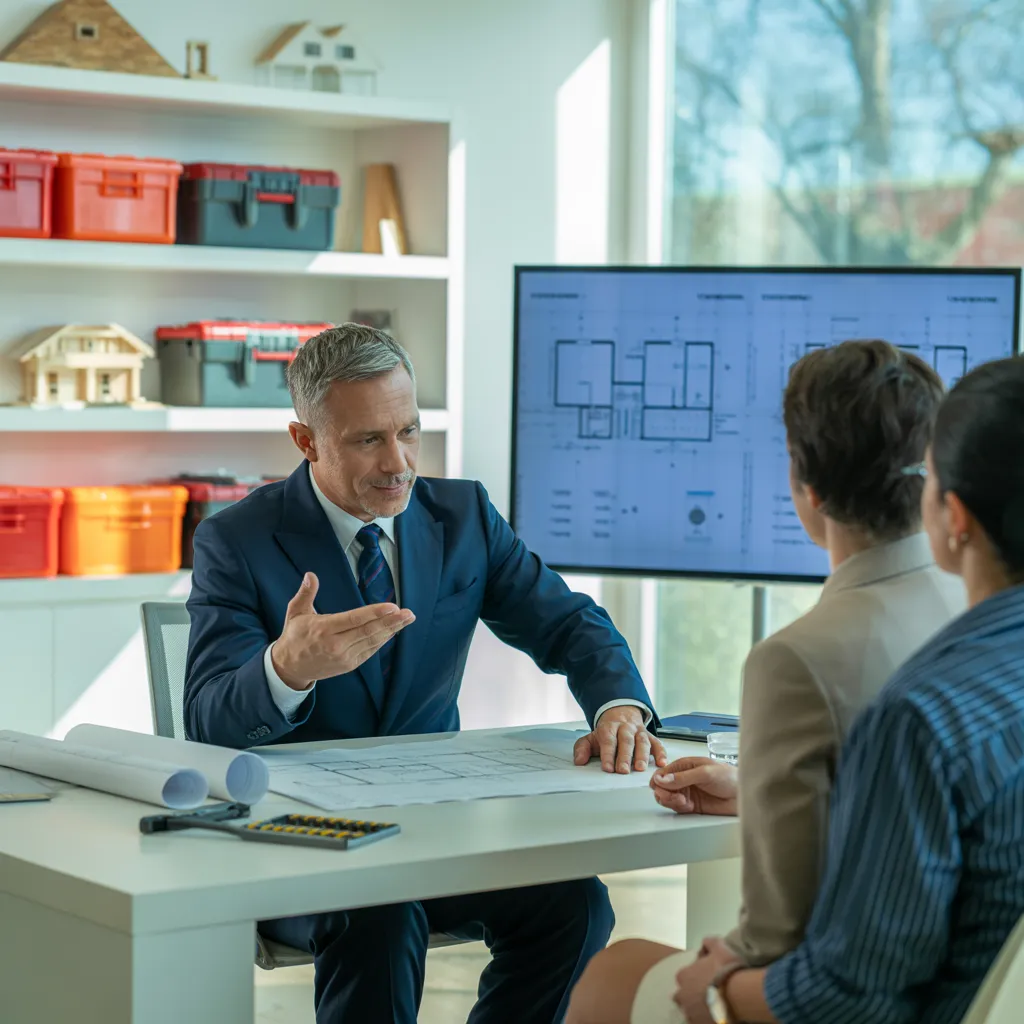
Main Services That General Contractors Offer
General contractors fulfill an essential purpose in the building industry by providing a range of fundamental services. They take charge of managing the complete construction process, guaranteeing that projects are completed on time and within budget. Core services include project management, where they oversee numerous tasks and subcontractors, guaranteeing seamless communication and workflow. Additionally, they handle procurement, obtaining materials and equipment necessary for the project while arranging contracts with vendors.
General contractors also guarantee compliance with local building codes and regulations, protecting the project from legal complications. They often conduct site inspections to monitor progress and maintain quality standards. Moreover, they manage budgets, tracking expenses and addressing any financial issues that may arise. Through these thorough services, general contractors function as the key figure in construction projects, supporting a fluid and productive execution from beginning to end. Their proficiency is essential for attaining desired results in construction ventures.
Exploring the Role of a General Contractor
The position of a general contracting professional encompasses a range of essential obligations that secure the smooth management of construction endeavors. Effective communication is crucial, as it enables coordination among key stakeholders, including subcontractors, clients, and suppliers. Understanding these aspects is necessary for recognizing the value a general contracting professional provides to each project.
Key Responsibilities Defined
Managing the challenges of construction projects demands a clear understanding of the key roles held by a general contractor. Essentially, a general contractor manages the entire construction process, collaborating between various subcontractors and confirming that work aligns with the project timeline and budget. They are responsible for acquiring necessary permits and licenses, handling procurement of materials, and carrying out regular site inspections to maintain quality standards. Moreover, they function as the primary point of contact for the client, resolving any concerns that arise during the project. By effectively managing resources and timelines, the general contractor is instrumental in minimizing delays and confirming that the project complies with safety regulations and building codes, consistently achieving project success.
Value of Effective Communication
Clear communication functions as the backbone of effective construction management. General contractors must effectively relay details between subcontractors, clients, and suppliers to guarantee project goals are met. This includes discussing design specifications, budgets, and timelines, which are critical for maintaining project momentum. Miscommunications can result in expensive setbacks and inferior outcomes, emphasizing the need for transparency across all communications. Consistent updates and clear communication channels encourage teamwork and assist in spotting problems before they worsen. Moreover, a general contractor's capacity to simplify technical language boosts client awareness and contentment. Ultimately, effective communication not only streamlines the construction process but also builds trust among all parties involved, leading to successful project outcomes.
How to Select the Best General Contractor for Your Project
Selecting the right contractor for a project can substantially influence its success. Prospective clients should start by researching the contractor's qualifications, including licenses, coverage, and bonding, which are critical measures of trustworthiness. Referrals from colleagues, family, or professionals can supply useful information into a general contractor's track record and work history.
Next, reviewing portfolios and case studies helps evaluate a contractor's background in comparable projects. Conducting interviews is critical, raising detailed questions about their process, timeframes, and strategies for resolving challenges. Obtaining multiple bids allows clients to compare costs, yet the most affordable bid is not always the wisest selection; expertise and quality ought to play a significant role in the final choice.
In conclusion, assessing communication methods and verifying compatibility with project requirements is crucial. A professional who carefully listens and grasps the client's goals can cultivate a cooperative atmosphere, ultimately leading to successful project outcomes.
How Clear Communication Benefits Construction Projects
Clear communication serves as the foundation of thriving construction endeavors, keeping all involved parties on the same page throughout the process. Reliable communication pathways support the dissemination of crucial information, including project requirements and schedules. This clarity helps to prevent misunderstandings, reducing the likelihood of costly delays and rework.
Ongoing updates and feedback mechanisms encourage cooperative work between architects, engineers, and contractors, cultivating a team-oriented environment. When goals are explicitly defined, team members can focus on their respective tasks with assurance, knowing they are striving for a common goal.
Moreover, addressing concerns promptly through open dialogue minimizes tension and builds trust among participants. This forward-thinking method not only improves issue resolution but also cultivates a sense of responsibility. In the end, the incorporation of strong communication practices significantly supports the overall performance and productivity of construction endeavors, paving the way for timely completion and high-quality outcomes.
The Way Contractors Manage Your Budget and Timeline
Accurate budget planning and timeline oversight are critical components within the construction industry. Construction professionals employ comprehensive planning and strategic resource allocation to confirm construction efforts remain financially sound while meeting deadlines. By balancing these factors, they enhance overall project efficiency and client satisfaction.
Reliable Budget Estimation
Precise budget estimation is critical for the success of any construction project, as it directly affects both the financial and timeline aspects. General contractors utilize comprehensive cost assessment methods, including precise material and labor reviews, to establish a workable budget. They frequently depend on prior cost records and existing market trends to project expenses accurately. By factoring in potential risks and unanticipated costs, contractors develop a sound fiscal plan that shields clients from cost overruns. Additionally, they collaborate closely with suppliers and subcontractors to secure competitive pricing, ensuring that the financial plan stays consistent with project objectives. This thorough strategy not only fosters trust but also enhances project efficiency, ultimately ensuring the successful outcome of the construction undertaking.
Streamlined Timeline Management
Mastering project scheduling is crucial for construction managers as it has a direct effect on both the length of a project and financial compliance. Skilled contractors utilize comprehensive planning methods, using project management software to create comprehensive schedules that map out each construction milestone. They identify important project goals and manage resources effectively, ensuring that tasks are completed on time. Consistent performance tracking allows for quick modifications, minimizing delays caused by unforeseen circumstances. Furthermore, open dialogue with suppliers and project partners promotes teamwork and responsibility, enhancing overall project efficiency. By maintaining a clear focus on scheduling goals and cost boundaries, construction managers can address obstacles successfully, ultimately delivering projects that meet client expectations while maintaining fiscal responsibility. This disciplined methodology is essential for effective project delivery.
Typical Issues General Contractors Resolve
Managing the challenges of construction projects presents numerous obstacles for general contractors. Chief among these obstacles is the coordination of various subcontractors, each requiring careful management and clear communication to guarantee timely completion. In addition, unexpected delays often emerge due to unforeseen site conditions, weather disruptions, or supply chain complications, demanding quick adaptive thinking. Cost restrictions create substantial difficulties, as contractors must maintain a careful equilibrium between quality and budget while fulfilling client expectations. Adherence to local building codes and regulations adds another layer of complexity, requiring contractors to remain current with legal requirements. Moreover, maintaining transparent communication and managing client demands can be challenging, particularly when clients request modifications during the project. In the end, general contractors must navigate these obstacles with proficiency and resourcefulness to ensure project success while maintaining high standards of quality and safety.
Lasting Advantages of Employing an Experienced General Contractor
Confidence in skilled work often leads clients to recognize the enduring value of hiring a skilled general contractor. Such experts offer a vast amount of expertise that ensures work is finished to exceptional standards. Their skill in overseeing deadlines and costs proficiently prevents unnecessary holdups, which can significantly affect the total financial stability of the project at hand.
Moreover, experienced general contractors hold vast networks of reliable suppliers and subcontractors, enabling better quality materials and services. This network commonly delivers outstanding quality work and minimized long-term concerns, resulting in enduring construction quality.
In addition, a competent contractor can handle complex regulations and permits, confirming compliance and minimizing the risk of legal complications. Their forward-thinking problem-solving skills can also address unforeseen challenges swiftly, safeguarding the project's quality. At the end of the day, hiring a qualified general contractor not only enhances the initial outcome but also adds to the permanent value of check here the property.
Frequently Asked Questions
What Qualifications Should I Seek in a General Contractor?
When selecting a professional contractor, you should evaluate credentials, experience, references, licensing, insurance, and communication skills. A competent contractor demonstrates a proven track record of successful project management, client satisfaction, professionalism, and reliability.
How Do General Contractors Deal With Permits and Inspections?
General construction managers handle inspections and permits by securing required approvals from local governing bodies, maintaining conformity with established building regulations. These professionals coordinate scheduling of inspections, resolve issues in a timely manner, and sustain open communication with all relevant stakeholders to facilitate project progression.
Should I Hire a General Contractor for Small Projects?
Absolutely, individuals can bring on general contractors for smaller projects. Several contractors supply options customized for small-scale repairs and renovations, ensuring expert workmanship and conformance to regional regulations, greatly simplifying the overall process for property owners.
What Types of Insurance Should a General Contractor Have?
General contractors are required to carry commercial auto insurance, general liability insurance, and workers' compensation coverage. These insurance types cover potential damages, employee injuries, and vehicle-related incidents, providing financial protection for contractors and their clients throughout the project.
How Should I Handle Disputes With My Contractor?
To resolve disputes with a contractor, individuals should first communicate their concerns directly. Should the matter remain unsettled, reviewing the contract and seeking mediation or legal advice can help facilitate a fair resolution and protect their interests.